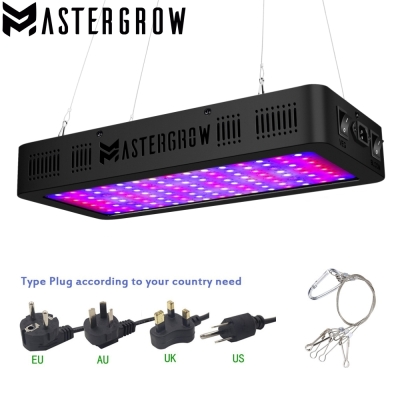

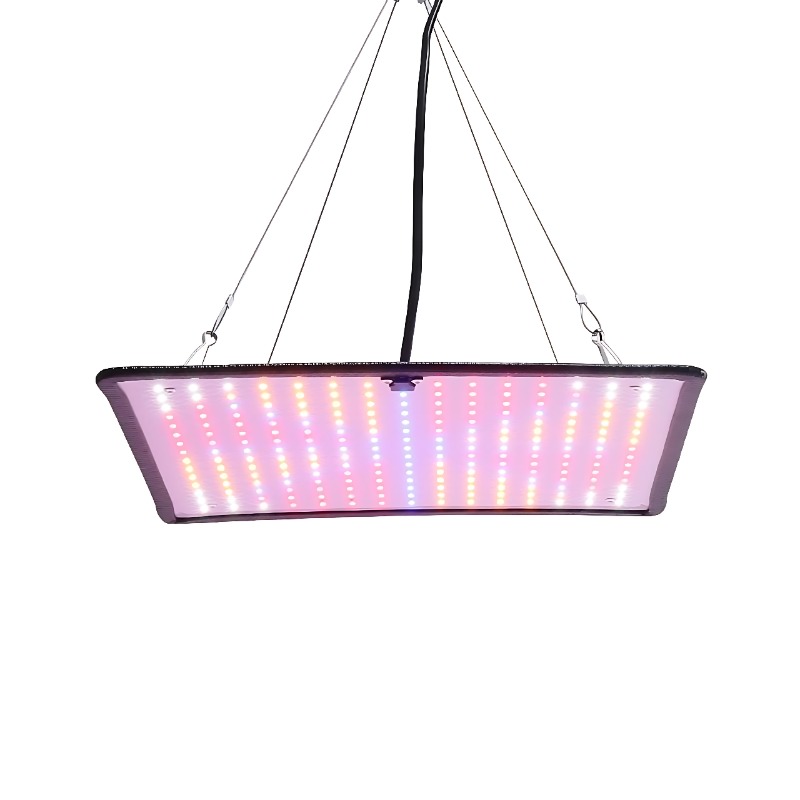
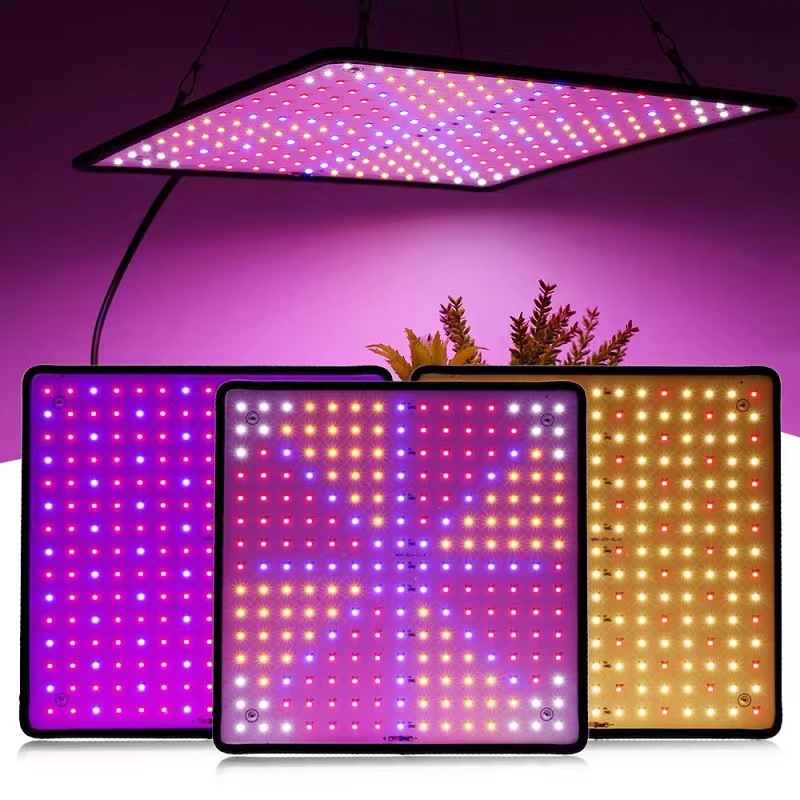
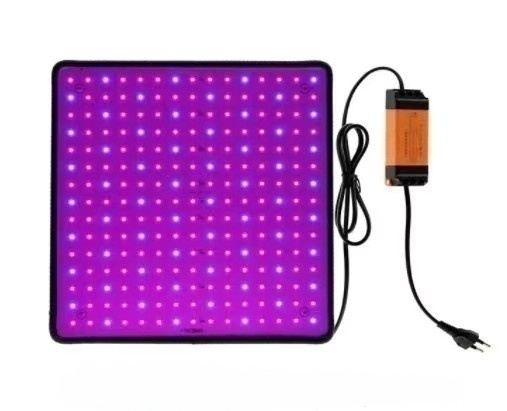
Plant Grow Light Indoor LED Full Spectrum Flower Seed Phytolamp Hydroponic Quantum Board Llights for Greenhouse
-
Estimated Delivery:Oct 25 - Oct 29
-
Free Shipping & Returns: On all orders over $75
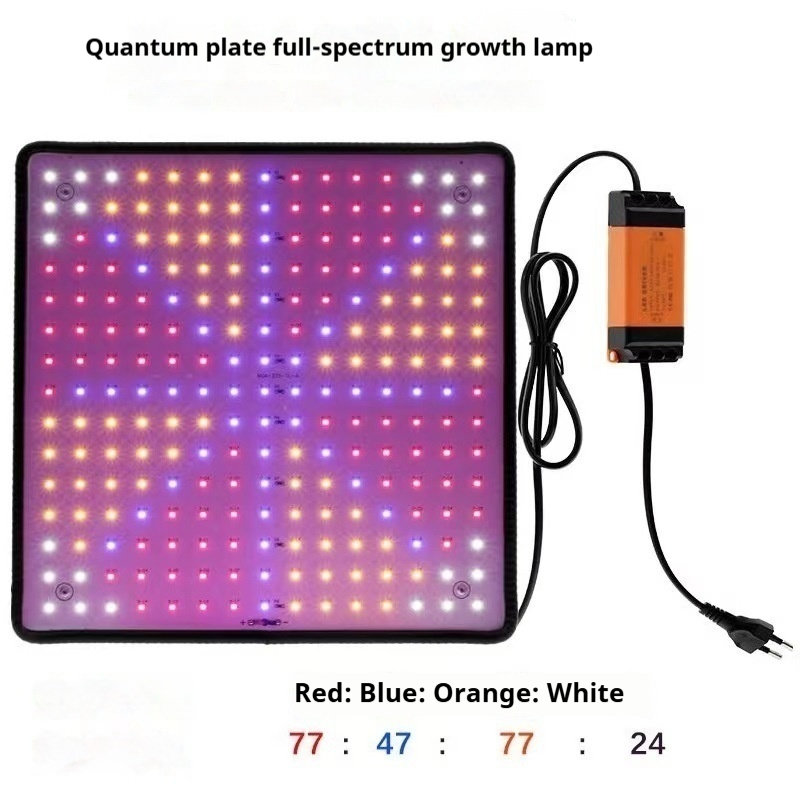
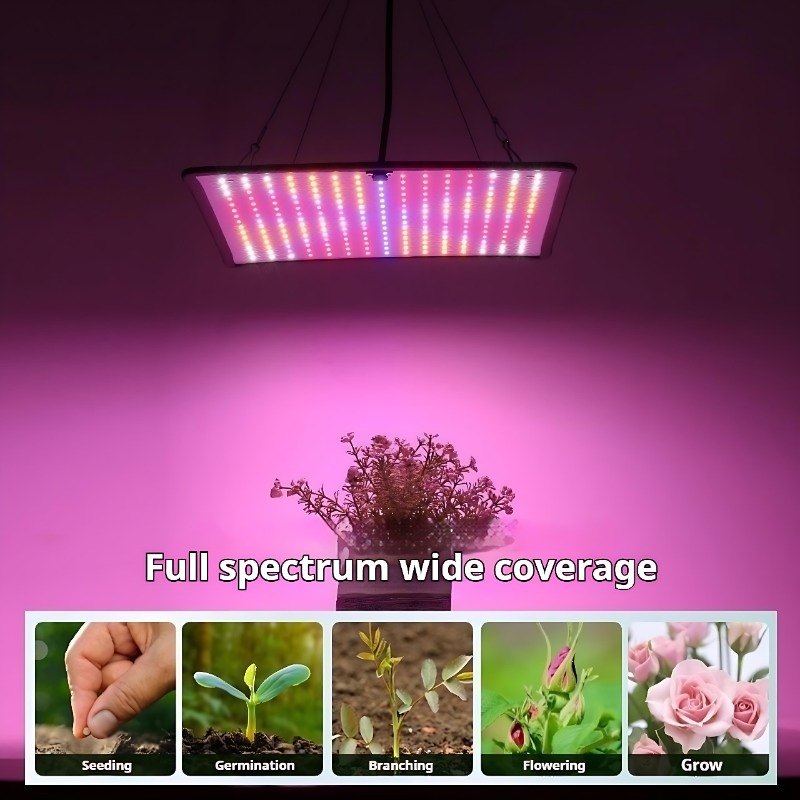
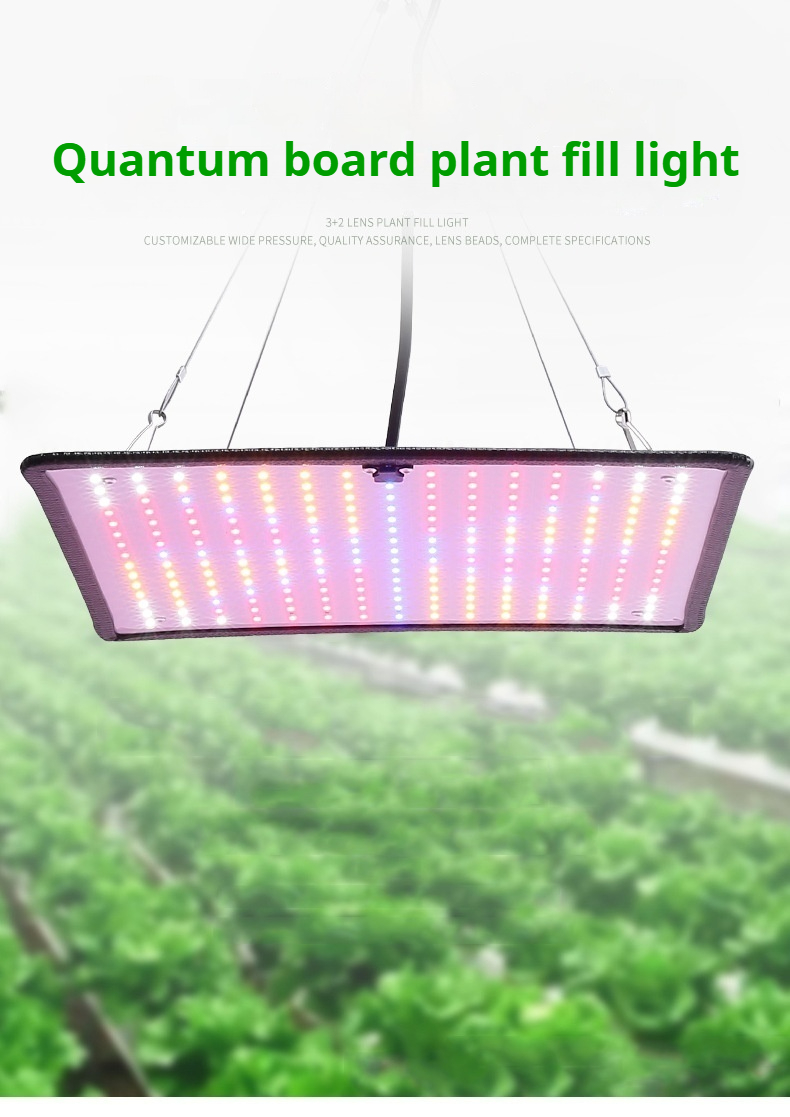
LED plant growth panel light
Blue 460-470 nm, blue light stimulates growth and promotes photosynthesis, making leaves fuller and more compact
Red 620-660 nm, red light promotes flowering and fruiting
Ultraviolet 390-395 nm, ultraviolet light is used for sowing and sterilization
Infrared 730-735 nm, IR stands for good for flowers and fruits
Warm white 3000K and white 5000K, increase temperature and improve photosynthesis
For a more detailed guide to the spectrum of plant lights, please see the bottom of the page.
Product parameters
Color: Full spectrum
Input voltage: AC85-265V
Frequency: 50/60Hz
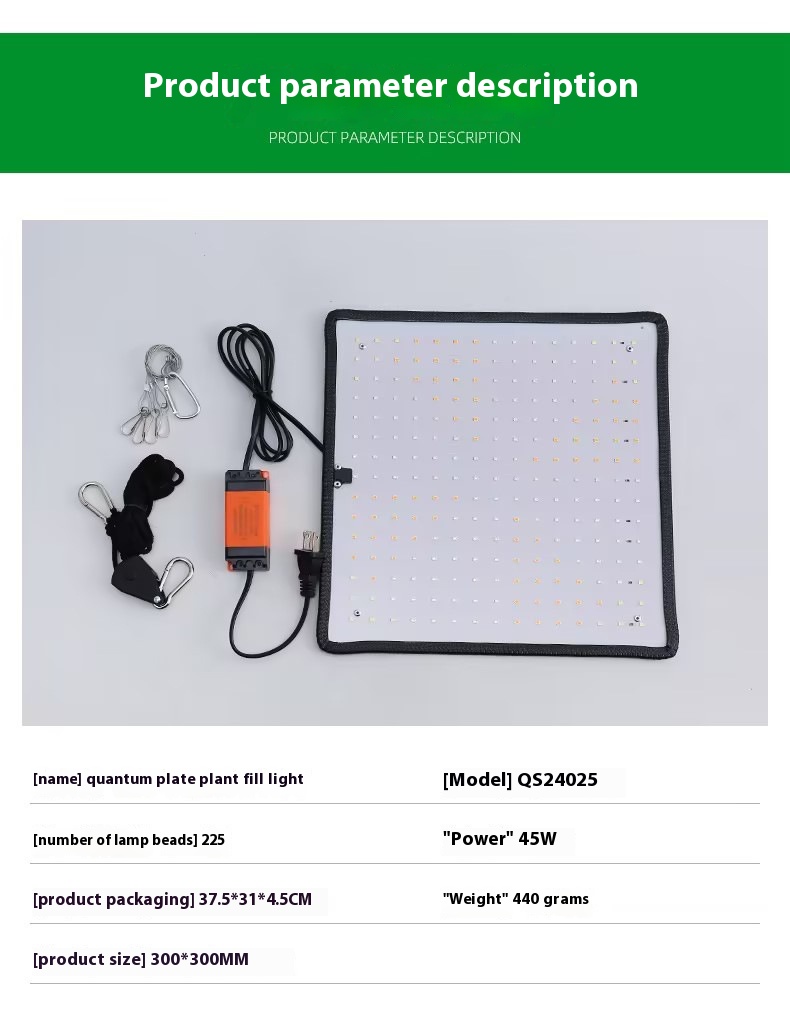
Rated power: 45W
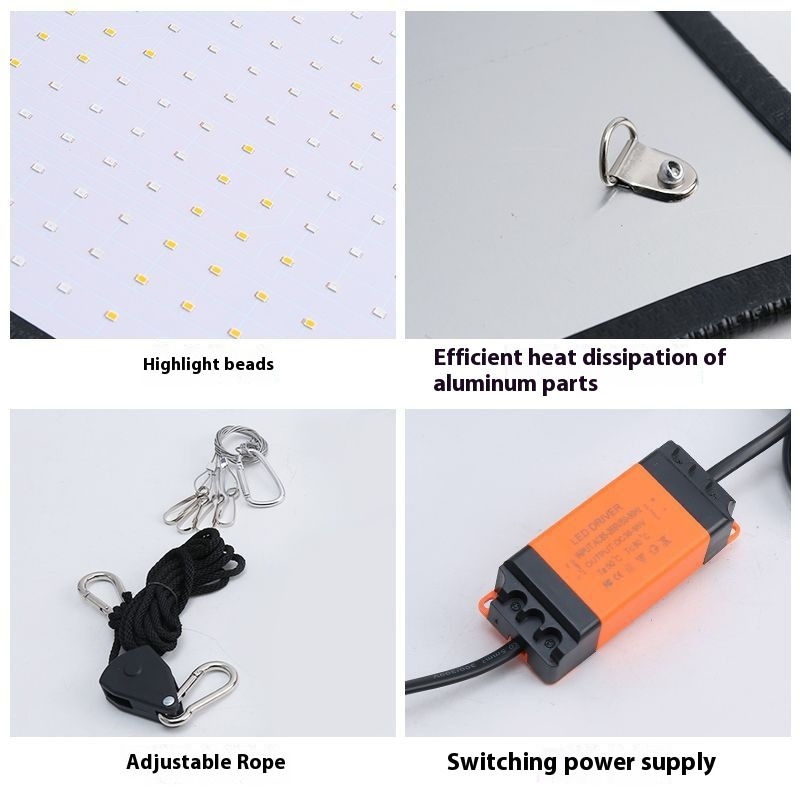
Material: ABS
Lifespan: 50,000H
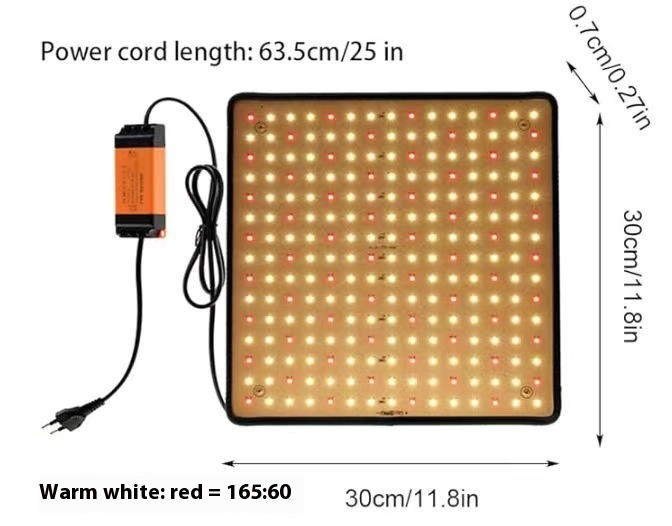
Panel size: 30*30*3cm
Working voltage: 85-265V (excluding battery)
Product power: actual wattage 40W, efficacy 1500W
Plug specifications: European, American, British
Number of lamp beads: 225pcs
Net weight of product: 400g
Package includes: 1* LED plant growth panel light, 1* hook, 1* power cord, 1* user manual
Warm tips: UV and IR LEDs are particularly weak. Please don't worry, this is normal. The light is not waterproof, please do not put it in water or use it in a humid place. Do not look directly at the LED light.
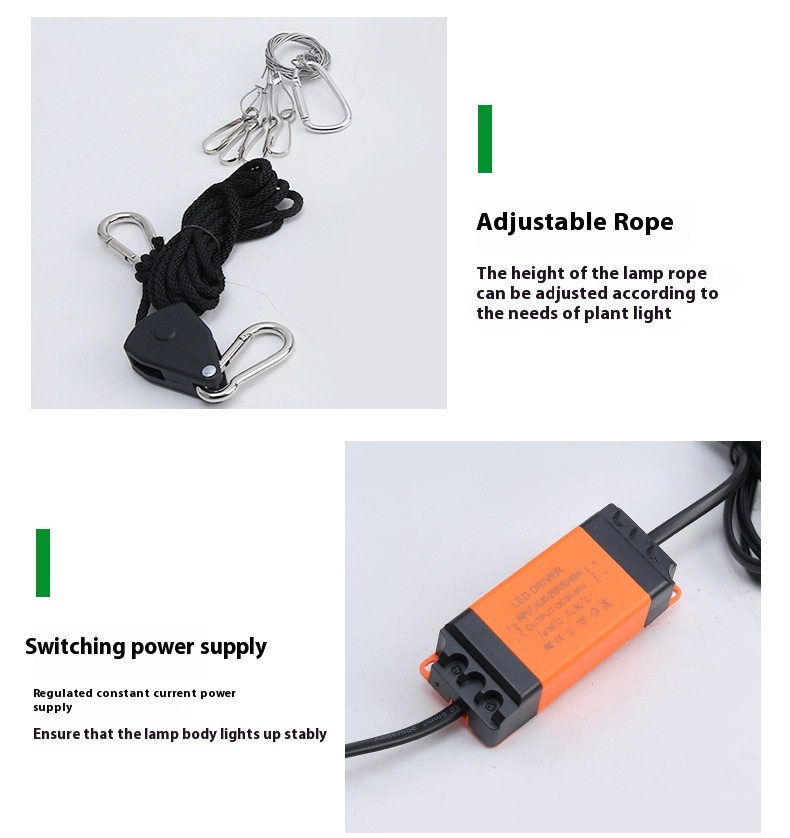
Plant light spectrum applicable guide
Professional analysis of the effects of different spectra on plants, helping you accurately choose the supplementary lighting solution. For more styles of plant lights, you can find them on the store homepage.
---
1. Red and blue light combination
Spectral characteristics:
- Red light (620-660nm): promotes flowering, fruiting and carbohydrate synthesis, and accelerates the development of long-day plants.
- Blue light (450-470nm): enhances chlorophyll synthesis, inhibits excessive growth, and is suitable for seedlings and leafy vegetables.
Examples of applicable plants:
- Tomato: Red light promotes fruit enlargement, and blue light prevents excessive growth of stems and leaves.
- Lettuce: The ratio dominated by blue light accelerates leaf growth and shortens the cycle.
- Strawberry: The combination of red and blue light increases the differentiation rate of flower buds and sugar accumulation.
Recommended scenarios: indoor hydroponics, vertical farms, and supplementary lighting during flowering and fruiting.
2. Pink-purple light
Spectral characteristics:
- Red and blue light mixed spectrum (mainly red light), simulates the effective band in natural light, reduces invalid green light absorption, suitable for high temperature and strong light sensitive plants.
Examples of applicable plants:
- Cucumber: avoid burns from strong light at noon and maintain photosynthetic efficiency.
- Colored pepper: promote uniform fruit coloring and reduce deformed fruit.
- Basil: increase essential oil content and flavor accumulation.
Recommended scenarios: greenhouse shading replacement, tropical crop supplementary light.
3. Warm yellow-red light
Spectral characteristics:
- Far red light (660-730nm): promotes light morphology (such as stem elongation) and regulates photoperiodic response.
- Yellow light (590-600nm): assists photosynthesis and relieves visual fatigue of pure red and blue light.
Examples of applicable plants:
- Rose: prolong flowering period and enhance petal color.
- Rosemary: promote lateral branch germination and increase aroma intensity.
- Begonia: Balance the needs of vegetative growth and flowering.
Recommended scenarios: ornamental flower cultivation, herb planting.
4. Pink-white light
Spectral characteristics:
- Strengthen the red and blue light peaks (such as 660nm red light + 450nm blue light) on the basis of the full spectrum, cover the core band of photosynthesis, and take into account the comfort of human eyes.
Examples of applicable plants:
- Succulents: such as cactus and sedum, prevent leggy growth and enhance color.
- Foliage Plants: Monstera and Fiddle Leaf Fig, maintain healthy and shiny leaves.
- Microgreens: such as Radish Sprouts, accelerate germination and nutrient accumulation.
Recommended scenarios: home gardening and office green plant maintenance.
5. White Light
Spectral characteristics:
- Broad spectrum light source (4000-5000K color temperature), containing a small amount of red and blue light, suitable for plants with low light requirements or auxiliary lighting.
Examples of applicable plants:
- Ferns: such as Boston Fern, adapted to low light environments.
- Pothos: Maintain basic growth and avoid yellowing leaves.
You Might Also Like
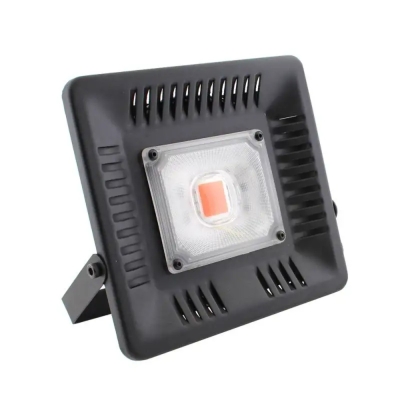
LED 50W 220V 3000K LED Growth Light Aluminium Seed Planting Waterproof Growth Light Full Spectrum Planting Plant Lamp
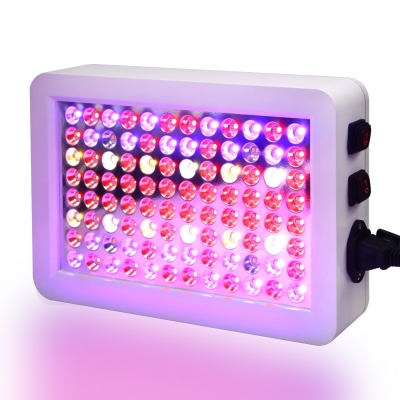
45W/90W Full-Spectrum LED Grow Light with VEG & BLOOM Modes
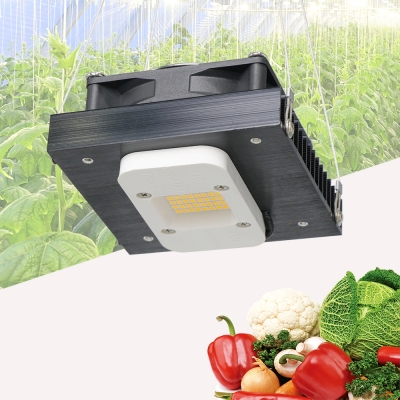
LED Grow Full SpectrumHigh PPFD Phytolamp Full Spectrum Growth Lamp SMD283b LED Lamp Rows Greenhouse Flower Supplementary Light
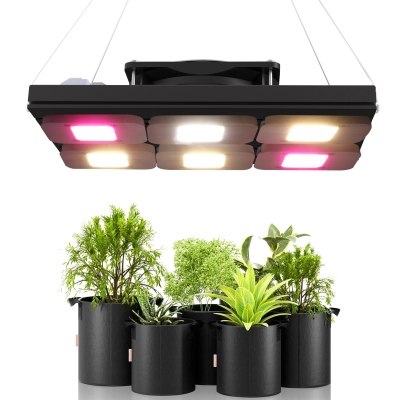
3000W DOB LED Quantum Grow Light Lighting Phytolamp For Greenhouse Hydroponic Plant Growth illumination Flower Veg Bloom
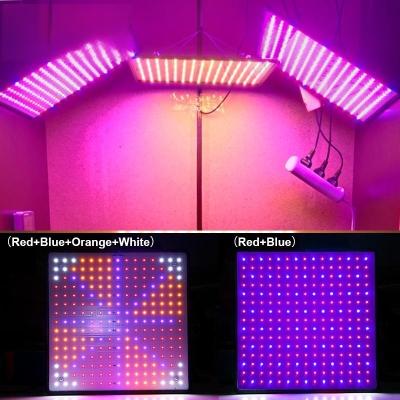
LED Indoor Grow Light Bulbs Full Spectrum 1000W Lamps for Succulent Flower Seeds Cultivation LED Panel Hanging Light AC 85-265V
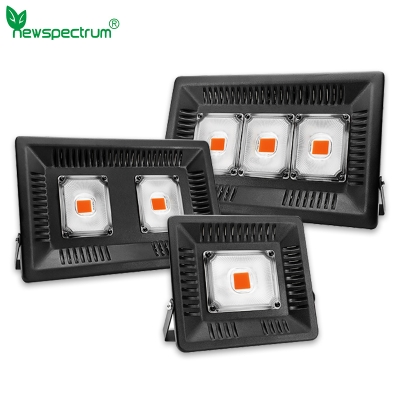
Full Spectrum LED Grow Light 50W 100W 150W High Lumen IP65 Waterproof for Outdoor Greenhouse Hydroponics Flower Fruit Plant Lamp
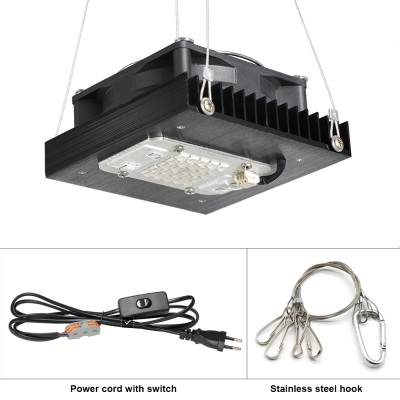
LED Grow Full SpectrumHigh PPFD Phytolamp Full Spectrum Growth Lamp SMD283b LED Lamp Rows Greenhouse Flower Supplementary Light